By Gino Bello and Daniel Wang
Why Digital Investigations are Changing
Digital forensics and eDiscovery are undergoing a fundamental structural shift. What was once a reactive, downstream process — focused primarily on large-scale data collection and document review — has evolved into an analytics-driven, intelligence-driven capability.
In today’s disputes and investigations, outcomes are increasingly shaped by how early digital evidence is understood, contextualised, and explained. Advanced analytics, cloud forensics, and AI-assisted workflows now influence legal strategy, regulatory posture, and settlement dynamics from the outset of a matter.
This evolution places renewed emphasis on expert judgment, methodological transparency, and defensibility, particularly as courts and regulators apply heightened scrutiny to proportionality, AI usage, and collection decisions.
Insight First. Volume Second.
The historical eDiscovery paradigm rewarded scale: broader collections, more custodians, and exhaustive review. That model is no longer optimal, and in many cases, no longer defensible or even feasible.
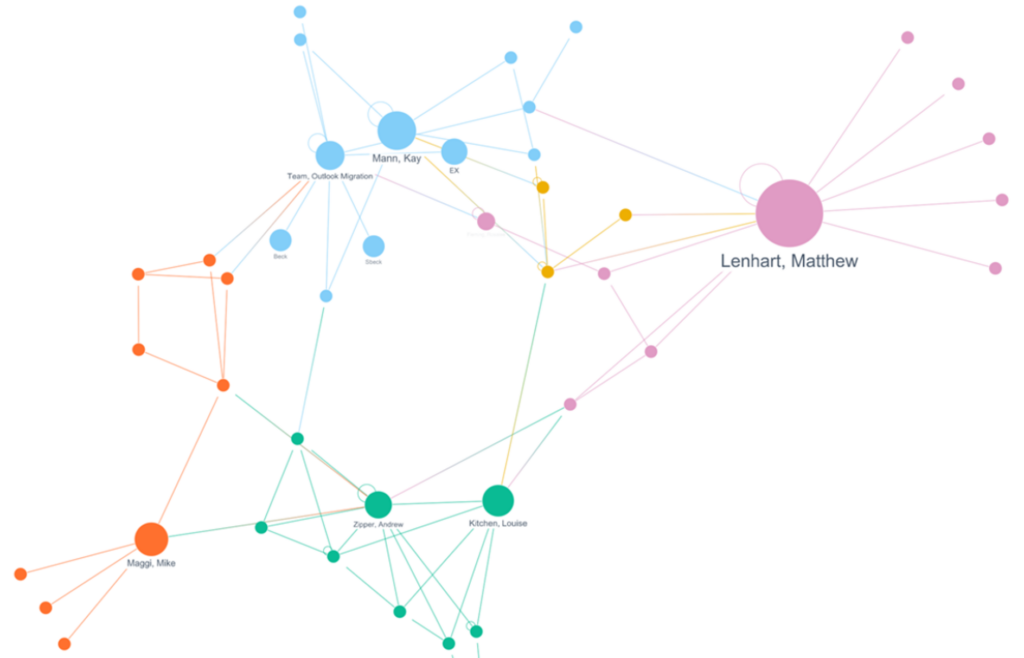
The differentiator today is speed to insight. Advanced analytics are increasingly used to inform early case assessment, rapidly identify high-risk custodians and communication patterns. This allows scope to be constrained before costs escalate, and supports targeted injunctions, dawn-raid responses, and regulatory actions. Early, defensible insight enables counsel to act decisively — often before an opposing narrative crystallises.
Expert-Led. AI-Accelerated.
Artificial intelligence is now embedded across forensics and review workflows, from clustering and anomaly detection, to technology-assisted review and communication analysis.
Judicial and regulatory expectations remain clear: AI augments expertise — it does not replace it. Methodologies must be explainable, AI outputs validated, and expert judgment must remain central to interpretation.
The most effective teams deploy AI as an acceleration layer, enhancing human analysis while maintaining defensibility, proportionality, and clarity around assumptions and limitations.
Collaboration and Ephemeral Data as the New Evidentiary Core
Email is no longer the dominant evidentiary source. Matters increasingly turn on enterprise collaboration platforms, mobile and ephemeral messaging applications, and cloud-native documents with version histories, comments, and access logs.
These data sources are rich in context but technically complex to interpret. Understanding how information was created, shared, edited, and accessed, often across devices and geographies, is now as critical as the content itself.
Cloud Forensics Is Now Table Stakes
As organisations migrate to cloud-first environments, digital forensics has expanded beyond files and messages. Modern investigations increasingly focus on user activity, system behaviour, metadata, logs, and audit trails. In many cases, traditional preservation and analysis approaches no longer apply.
Cloud forensics demands not only technical capability, but a deep understanding of platform architecture and operational nuance, particularly when explaining findings for courts, regulators, and non-technical stakeholders.
Rising Judicial Scrutiny and Defensibility Expectations
Courts and regulators are raising the bar. There is heightened scrutiny around the proportionality of collection and review, validation of AI-assisted workflows, preservation decisions, and chain-of-custody integrity. Often, government bodies also impose additional constraints on how digital evidence must be handled and presented.
This places renewed emphasis on experts who can bridge technical complexity and legal relevance — clearly explaining what was done, why it was done, and the limits of what can be concluded.
From Data to Decisions, How We Can Help
In high-stakes disputes and investigations, outcomes are increasingly shaped by how early digital evidence is understood, contextualised, and explained, not by how much data is produced.
Secretariat’s globally integrated Digital Forensics & eDiscovery teams work alongside counsel from the earliest stages of a matter. By combining expert-led analysis, advanced analytics, and defensible methodologies, we help clients move from data to decisions — at pace and under scrutiny.
When the stakes are high, early insight is the advantage.
Digital Forensics & eDiscovery
Our industry-leading expertise in digital forensics and eDiscovery delivers thorough analysis and seamless solutions for data-intensive legal and investigative needs.